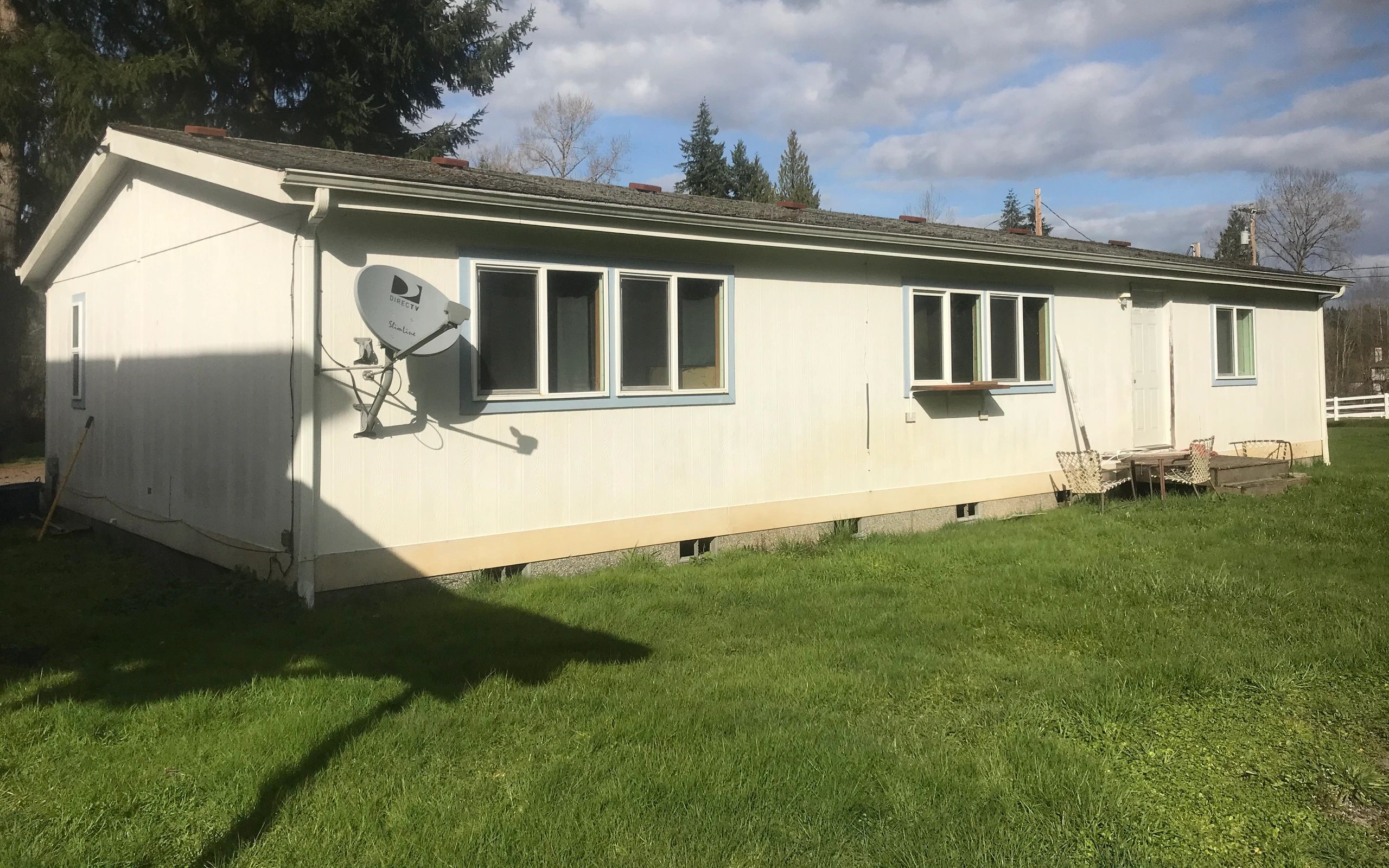
Moving a Manufactured Home DIY Can Cost You More.
Let's take a deeper look at the process of moving your manufactured home. List some of the challenges that you and professional manufactured home or mobile home movers will face. Whether you're relocating due to a change in circumstances or simply seeking a new location, here's a more detailed guide:
Gone are the days of moving a manufactured home or mobile home for a few hundred dollars. Inflation has made it difficult to keep prices low. The bigger picture is that a mobile home is still cheaper and moving one is still an affordable option for affordable housing or building your own house.
1. Consider Your Options
Transport-Only Move:
This option involves attaching a move-ready manufactured house to a towing car.
Who took down the house? Was it a certified crew that prepared the home for transportation? The trucker, or transporter, will be taking on some liability for someone else's work.
The client provides necessary permits. The reason why the client gets the move permit is certain taxes need to be paid then a move permit will be issued. These taxes are homeowner's taxes, not transporters taxes. The actual move permit typically does not cost anything.
The Transporter will have liability insurance.
Ideal for shorter distances (up to 25 miles).
Do you have liability coverage for your work if you, the client, did a DIY teardown of the house to prepare it for the road?
Leave it to the professionals.
Full-Service Move- In addition to transport, this comprehensive service includes:
Takedown-
Disconnecting utilities (water, electricity, gas).
Use of an excavator to dig home out if the home is pit set.
Removing skirting, decking, and attached structures.
Hanging axles, tires, and tongues, splitting a home if it is a double or triple wide.
Welding if there are no tongues and the tongues need to be fabricated.
Welding broken axle hanger brackets.
Securing each half for transport.
Transport-
Transport with pilot cars, roadside support, delivery assistance.
Is a Robo Cat or Translift needed? These are special equipment that is needed to get the home into and out of tight spaces or to make tight turns.
If the HUB on a wheel breaks or there is a flat, you can Visit this site call roadside assistance. The roadside assistance crew will handle these issues if you purchase their services.
Delivery assistance is the crew that is ready to lay cribbage, or bridges in ditches, or other terrains to assist the truck or robot cat in pulling or placing a manufactured home. Delivery assistance crews are usually responsible for managing the wheels and axles of the manufactured home. The cost of these items is not included in the transporter's regular fee. If they are not onsite on the day of the original delivery and they are needed, then the home will need to stored someplace until a delivery assistance crew can be scheduled to come out. Additional fees may apply.
Setup- Basic setup
Leveling, blocking, perimeter blocking the home.
Joining the halves if the home is a doublewide or triple wide.
Secure your home with Tiedowns
Connecting crossover wires and HVAC.
More entailed setup could include-
Reconnecting everything at the new site like utilities, water, electricity, gas, sewer, septic,
Building custom decks and skirting or just putting the simplest decks and skirting on the home.
The simplest decks are 4'x4' and 4'x6' landings.
Vinyl skirting is the basic skirting system.
2. Cost Estimates - These estimates have been adjusted to reflect today's high inflation rate.
Transport-Only Move. Just trucking and pilot cars. Delivery assist is not included.
Single-wide: Approximately $3500-$5,500 (up to 25 miles).
Double-wide: Approximately $6,500-$8,500 up to 25 miles.
Triple-wide: Typically $9,600-$15,500 (up to 25 miles).
Basic-Service move - Includes takedown, transport 25 miles and basic setup.
Single-wide: Estimated cost of $12,000-$17,000.
Double-wide: ranges from $25,000 to $35,000.
Triple-wide: $40,000 to $55,000 or more.
3. Factors that affect cost
Distance: Shorter trips are more cost-effective.
Labor Costs: Vary based on setup services, moving materials, and home size.
Permits and Regulations: Compliance with local laws and zoning.
Travel Distance: Long distance moves incur additional charges.
Transportation Fees: Take into account towing vehicle and Pilot Car charges per mile.
Insurance: The cost of regular operational insurance has gone up 60% to 300% just in 2024 alone. This insurance increase was a notion wide roll out for every sector and every type of insurance.
Fuel: The price of fuel is an important factor for all transport vehicle types. Truks, pilot cars, support vehicles, setup crews. Everyone needs gas in order to get to the site and complete the work.
Labor: Finding the right person and training them is time-consuming and expensive. The cost of hiring new employees has tripled. Minimum wage is almost $20 per hour, and no one wants to work for minimum wage anymore. To retain a good employee, you'll need to pay $30 to $40 an hour. Furthermore, this doesn't take into account for employee taxes and employee insurance.
Inflation of Building Materials: Example the cost of cinder blocks used to be .89 cents for one block, they are now $2.50 to $3.50 a block.
4. Basic Preparation Steps
Disconnect Utilities: Ensure water, electricity, and gas are properly disconnected.
Secure Loose Items: Remove interior belongings and secure interior and exterior features.
Split the Home: Professional mobile-home movers will divide the home into sections if it's a triplewide or doublewide and prepare it for transport.
5. Legal Considerations
Contact the Building Commissioner to learn about local requirements and zoning regulations.
Title and Permits: Obtain necessary certificates and permits.
Hire Experienced Movers: Choose professionals familiar with state laws.
Remember that these estimates may vary depending on the circumstances. Plan ahead and consult with professional movers to ensure a smooth move.
Transport Accidents: What can happen?
Some issues that may arise during a manufactured home relocation. Typically, professional manufactured home movers or mobile home movers do not have issues but if a takedown crew was a DIY'er then we can see some of these issues. Let's look at the challenges of moving a manufactured house.
Damage During Transport:
Vulnerable components: Shutters and siding can be damaged during transport if they are not properly secured.
Underbelly and Mechanicals - Inspect the insulation and mechanical systems under the hood for any problems.
Interior Damage: Stress cracks on inner walls or broken windows may occur due to movement. These are typical and fixable. These problems do not affect the manufactured homes in any way.
Metal Frame Breaks (Very Rare): What is a frame break? Here is where the metal frame breaks. Not anything wooden. Wooden frames can be easily fixed and replaced. (But Also Rare)
Metal frame breaks are rare but can cause structural damage.
Professional movers take steps to prevent this.
Wind Tunnel Effect: Moving a home down the highway exposes it to strong winds.
While traveling across bridges a doublewide can be picked up by a gust of wind and tip the home over. The construction plastic covering the entire side of a doublewide can act as a sail. The weather forecast must be low-wind and the DOT must approve that it is safe to drive oversize loads on a particular day.
Repair Solutions:
Licensed Movers or Manufacturers: They handle repairs professionally.
Used Homes: If the damage is truck-related, then the transporter will usually cover repairs. If the damage was caused by poor workmanship and was done on a DIY basis, the homeowner is responsible for the repair. It's best to leave everything to the professionals.
New Homes: Manufacturers address any damage.
Remember, while challenges exist, most damage is minor, cosmetic, and fixable.
What to do once your home is built?
Here are the steps you need to take after your manufactured home has been set up on blocks.
1. Call in and have the Block and Tie Downs inspected. Once the inspection is complete, you and the inspector can sign off and move on to the next step. By the way if the inspector did not approve the block and tiedowns they will let you know why and you can have the setup crew come back out and make adjustments.
2. Utility Connections: After the installation, connect utilities like plumbing, electricity and HVAC systems. Some jurisdictions do not let a manufactured home crew do these particular steps. These tasks must be performed by plumbing or electrical journeymen. Once that is complete have your local code enforcement officials inspect this critical step to ensure compliance with safety standards.
3. Decks and skirting: Now you can build and install your decks and skirting. There are many different styles and options to choose from. But to just get your occupancy certification only 4'x4' landings are required for the regular doors and a 4'x6' landing is required for sliding glass doors. You can use many different types of materials for skirting but the most affordable is a vinyl skirting package. You can use these to pass your final inspection, and then upgrade to another material if you wish.
It is important to hire professionals for installation, utility connections and other services.
Moving a manufactured home can be a cost-effective choice for homeowners. Unlike traditional site-built homes, which require extensive construction, manufactured homes are built in a controlled factory environment. This streamlined process often translates to lower costs. Additionally, relocating a manufactured home can be more affordable than purchasing a new one, especially if the existing home is in good condition. By carefully planning the move and working with experienced professionals, homeowners can enjoy the economic benefits of taking their home with them to a new location. Enjoy your new home!